



Can Cryoskin Facials Really Help Reduce Puffiness & Swelling?
Most people think puffiness is just about sleep. Get more rest, drink less wine, and your face will cooperate. But swelling doesn't always follow those rules — and if you're banking on cucumbers and ice packs alone, you're missing the bigger picture. Cryoskin facials promise something different: controlled cold that goes beyond surface-level fixes. The question isn't whether cold works. It's whether this method delivers results worth your time and money.
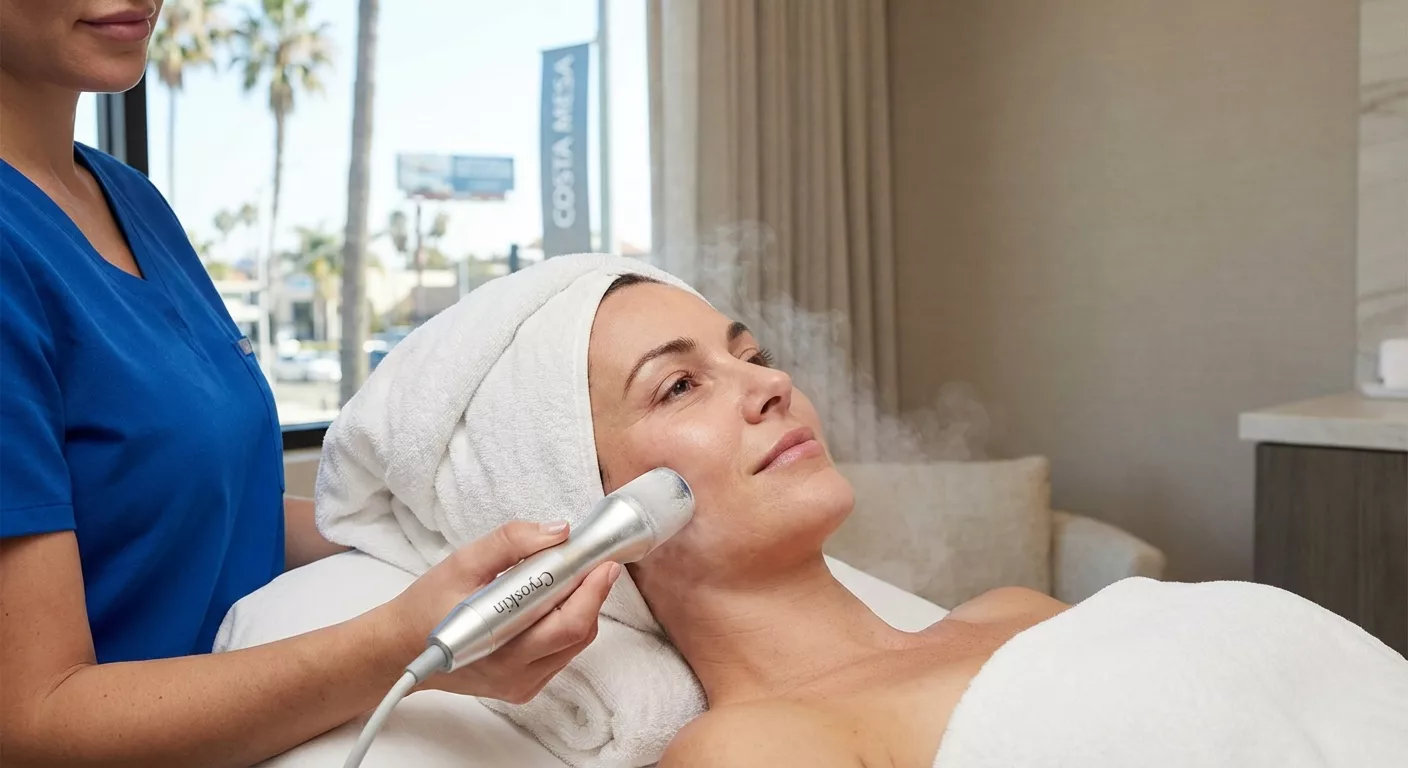
Here's what matters. If you're dealing with chronic puffiness or inflammation that won't quit, you need more than a quick fix. You need a treatment that addresses circulation, drainage, and tissue response — not just temporary tightening. Every session should leave a visible mark. Every claim needs to be backed by how your skin actually reacts, not just how good the marketing sounds.
Cold Therapy Isn't New, But the Delivery Is
Cryoskin facials use subzero temperatures — sometimes as low as -4°C — applied directly to your face through a wand or controlled airflow. The concept borrows from cryotherapy, which has been used in medicine and sports recovery for decades. What's different here is precision. Instead of dunking your whole body in a freezing chamber, you're targeting specific areas where puffiness tends to camp out: under the eyes, along the jawline, across the cheeks.
The treatment itself is quick, usually under 30 minutes, and most people describe it as refreshing rather than painful. Your skin gets cold fast, then warms back up once the session ends. That temperature swing is where the magic supposedly happens — blood vessels constrict, then dilate, triggering a cascade of responses that can reduce swelling and boost circulation. No needles, no downtime, no recovery period. Just cold and your body's natural reaction to it.
Why Faces Puff Up in the First Place
Swelling happens when fluid builds up in your tissues. Sometimes it's allergies. Sometimes it's sodium overload or a bad night's sleep. Other times it's inflammation from stress, hormones, or skin conditions that won't settle down. The skin around your eyes is especially vulnerable because it's thinner and more prone to fluid retention. That's why mornings can be brutal — gravity worked against you all night, and now your face is holding onto everything it shouldn't.
Traditional fixes focus on constriction. Cold compresses narrow blood vessels temporarily, which can push fluid out and reduce visible puffiness. Anti-inflammatory creams try to calm the tissue itself. But these methods are surface-level and short-lived. Cryoskin facials claim to go deeper by stimulating lymphatic drainage and improving circulation over time, not just masking the problem for an hour or two.
How the Cold Actually Works on Your Skin
When your skin hits subzero temps, your body reacts fast. Blood vessels tighten up to conserve heat, which reduces blood flow to the area. Less blood flow means less fluid pooling in your tissues, which translates to less puffiness. Once the cold stops and your skin warms back up, those vessels dilate again — often wider than before. That rebound effect is what proponents say drives the real benefits.
Here's what that process is supposed to trigger:
- Immediate vasoconstriction that shrinks swollen areas and calms redness
- Enhanced lymphatic drainage that flushes out trapped fluids and metabolic waste
- Reduced inflammation by lowering tissue temperature and slowing inflammatory responses
- Improved microcirculation that delivers oxygen and nutrients more efficiently
- Potential collagen stimulation over repeated sessions, leading to firmer skin and better elasticity
What You'll Actually See After a Session
Most people report tighter skin right away. Puffiness around the eyes tends to shrink noticeably, and the overall contour of the face looks more defined. Some describe a "lifted" effect, especially along the jawline and cheekbones. Redness and inflammation often calm down within the first few hours, and the skin can look brighter and more awake.
But here's the catch — results vary. If your puffiness is chronic or tied to underlying health issues, one session won't fix it. You'll likely need multiple treatments to see sustained improvement. And if your swelling is caused by something like allergies or medication side effects, Cryoskin might help temporarily but won't address the root cause. It's a tool, not a cure-all.
Where the Science Stands
Cold therapy has solid backing in medical literature. It's used to reduce post-surgical swelling, manage sports injuries, and calm inflammatory skin conditions. The principles behind Cryoskin facials — vasoconstriction, lymphatic stimulation, anti-inflammatory effects — are all grounded in established physiology. What's less clear is how much benefit you get from facial-specific cryotherapy compared to other methods.
Research on Cryoskin facials specifically is thin. Most of the evidence comes from user testimonials and before-and-after photos, which can be compelling but aren't the same as controlled clinical trials. That doesn't mean it doesn't work — it just means we don't have hard data on long-term outcomes, optimal treatment frequency, or how it stacks up against other anti-puffiness interventions.
Who Shouldn't Try This
Cryoskin facials are generally safe, but they're not for everyone. If you have conditions triggered by cold — like cold urticaria, Raynaud's disease, or certain autoimmune disorders — this treatment could cause more harm than good. People with very sensitive skin or active rosacea should proceed with caution, since extreme cold can sometimes worsen inflammation rather than calm it.
Pregnant or breastfeeding individuals should check with a healthcare provider first. And if you've had recent facial surgery or injections, you'll want to wait until you're fully healed. The treatment itself is non-invasive, but your skin still needs to be in a stable state to respond well.
What to Expect During and After
Sessions are short and straightforward. A technician moves a cold wand across your face in specific patterns, focusing on areas where you want to reduce puffiness. You'll feel intense cold, but it's not usually painful — more like holding an ice pack against your skin for an extended period. Some people find it relaxing; others find it uncomfortable but tolerable.
Afterward, your skin might be red or tingly for a few hours. That's normal and usually fades quickly. You can go straight back to your day without any downtime. Most providers recommend a series of sessions — often three to six — spaced a week or two apart for best results. Maintenance sessions every few months can help sustain the effects.
Risks Are Low, But Not Zero
Side effects are rare and typically mild. The most common complaints include:
- Temporary redness or flushing that resolves within hours
- Tingling or numbness that fades as circulation returns
- Mild discomfort during the treatment itself
- Rare cases of skin irritation or sensitivity in people with reactive skin
- Potential for worsening symptoms in individuals with cold-sensitive conditions
How It Compares to Other Treatments
Cryoskin facials sit somewhere between at-home remedies and invasive procedures. They're more effective than ice packs or cooling gels because the cold is more intense and the application is more controlled. But they're less aggressive than treatments like microneedling, laser therapy, or injectables, which target deeper layers of skin or alter tissue structure directly.
If you're looking for a low-commitment option with minimal risk, Cryoskin is a solid middle ground. It won't replace medical-grade treatments for severe swelling or skin laxity, but it can complement a broader skincare routine and provide noticeable short-term improvements.
When to Bring in a Professional
If your puffiness is persistent, painful, or accompanied by other symptoms — like vision changes, severe redness, or asymmetry — see a doctor before booking a facial. Swelling can be a sign of underlying issues like thyroid problems, kidney dysfunction, or allergic reactions that need medical attention, not cosmetic intervention.
For routine puffiness that's more annoying than alarming, a trained aesthetician or dermatologist can help you decide if Cryoskin is a good fit. They'll assess your skin type, health history, and goals to determine whether this treatment aligns with what you're trying to achieve. Advanced clinical skincare professionals can provide comprehensive evaluations to ensure you're choosing the right approach for your specific concerns.
Documentation Matters Here Too
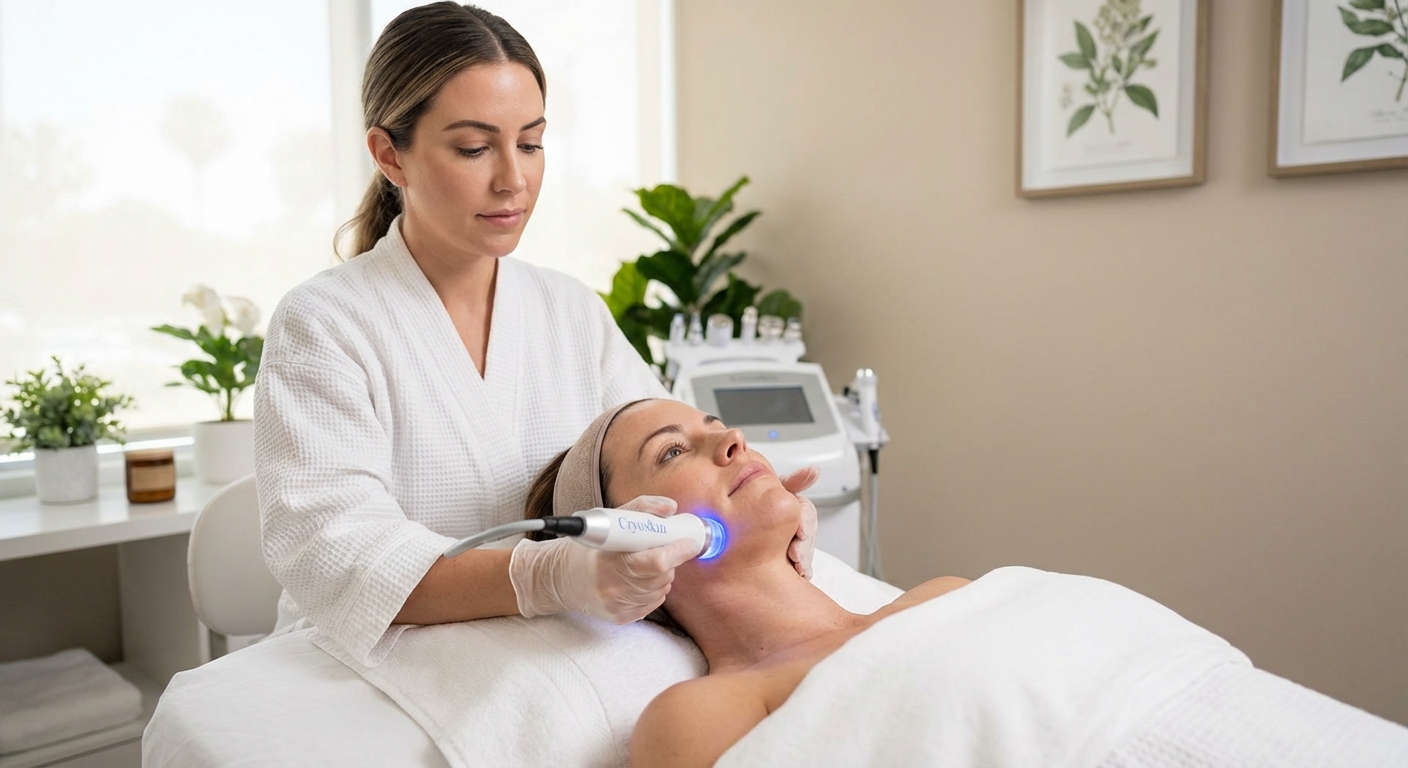
If you're investing in multiple sessions, track your progress. Take photos before your first treatment and after each session under consistent lighting. Note how long the effects last and whether you see cumulative improvement over time. This isn't just vanity — it's data. If you're not seeing results after three or four sessions, you'll know it's time to try something else.
Keep records of any side effects or reactions as well. If your skin responds poorly, that information is valuable for future treatments and for communicating with your provider.
Common Mistakes People Make
Expecting instant, permanent results is the biggest pitfall. Cryoskin facials can deliver visible improvements, but they're not magic. You'll need consistency and realistic expectations. Skipping follow-up sessions or waiting too long between treatments can undermine your progress.
Another mistake is ignoring lifestyle factors. If you're not sleeping enough, eating a high-sodium diet, or dealing with chronic stress, no facial treatment will fully compensate. Cryoskin works best when it's part of a broader approach to skin health, not a standalone fix. Understanding how clinical skincare differs from over-the-counter products can help you make more informed decisions about your overall skincare strategy.
The Bottom Line on Cold and Puffiness
Cryoskin facials can reduce puffiness and swelling for many people, especially when used consistently and combined with good skincare habits. The science behind cold therapy is sound, and the treatment itself is low-risk and convenient. But it's not a miracle cure, and it won't work for everyone. If you're dealing with stubborn swelling that won't respond to basic interventions, this could be worth trying — just don't expect it to replace medical treatment or long-term lifestyle changes. Learning about the benefits of clinical skincare for your skin can help you understand how professional treatments fit into your overall wellness routine.
Cold works. Controlled cold works better. And when applied correctly, it can give your face the reset it needs without needles, downtime, or guesswork. Just make sure you're working with someone who knows what they're doing and that you're tracking results honestly. Puffiness doesn't have to be permanent, but fixing it takes more than wishful thinking. If you're ready to explore professional options, consider exploring clinical skincare services or booking an appointment to discuss your specific needs with a qualified professional.
Ready to See Real Results?
If you're tired of temporary fixes and want to experience the difference that professional Cryoskin facials can make, let's take the next step together. Our team is here to answer your questions and help you find the right approach for your skin. Give us a call at 949-330-3440 or book an appointment—we look forward to helping you achieve a refreshed, more confident look.
‹ Back
Recent Posts
-
Facial Treatments in Mission Viejo for Hormonal Breakouts
August 7, 2026
-
Collagen Therapy in Lake Forest for Fine Lines & Texture
July 24, 2026
-
Chemical Peels in Mission Viejo for Uneven Skin Tone
July 10, 2026
-
Is Cryoskin in Lake Forest a Good Fit for Loose Skin?
June 26, 2026
-

Connect with us