



Can Chemical Peels Help Lighten Dark Spots in Costa Mesa?
Most people think dark spots are just a cosmetic nuisance. A little discoloration here, some uneven tone there. But hyperpigmentation runs deeper than that — and if you're not addressing it the right way, you're wasting time and money. Chemical peels may sound aggressive, but they're one of the most direct routes to brighter, more even skin. Especially if you're dealing with stubborn spots that won't budge with over-the-counter products.
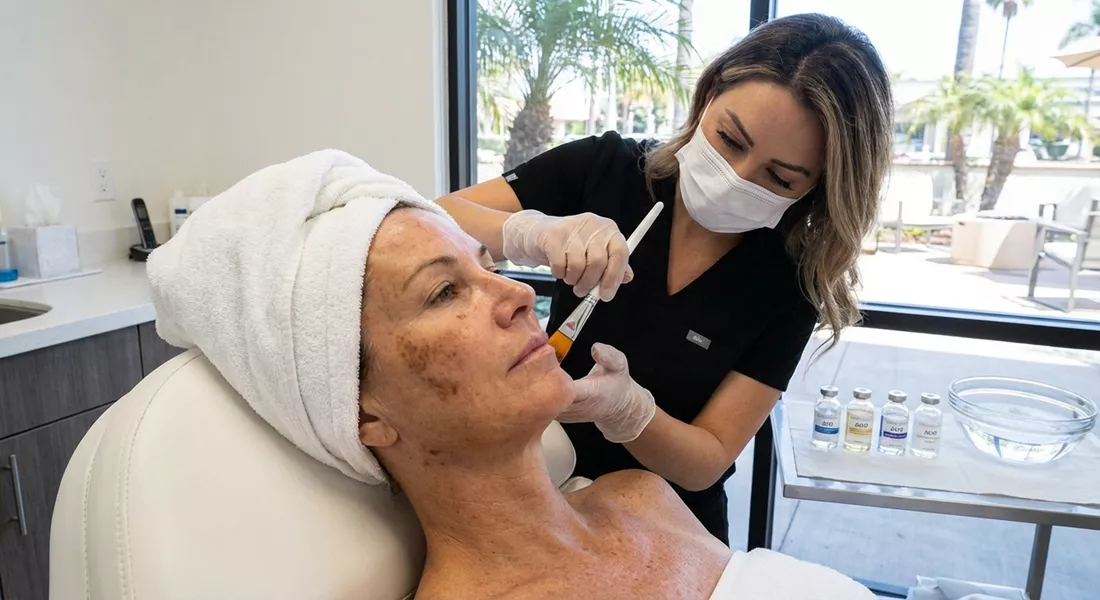
So here's the reality. If you're serious about fading dark spots, chemical peels can deliver. Just don't expect miracles from a single session. Every treatment should be part of a plan. Every peel needs proper aftercare. And every result depends on how your skin responds — not just how the brochure looked at the clinic.
What Chemical Peels Actually Do
Chemical peels strip away the outermost layers of skin using controlled acid solutions. That's not as scary as it sounds. By removing dead, pigmented cells, peels force your skin to regenerate. Fresh cells rise to the surface, and with them comes a clearer, more uniform complexion. The depth of the peel determines how much skin gets removed and how dramatic the results will be.
Different acids target different issues. Glycolic and lactic acids work on surface-level discoloration. Salicylic acid digs into pores and tackles acne-related pigmentation. TCA peels go deeper, addressing more stubborn or widespread hyperpigmentation. Your provider will match the peel to your skin type and the severity of your dark spots, similar to how professionals approach choosing the right facial for your skin type.
Why Dark Spots Form and How Peels Break the Cycle
Dark spots happen when melanin clusters in specific areas. Sun damage, hormonal shifts, acne scars, and aging all trigger this overproduction. Once melanin settles into the skin, it doesn't just fade on its own. That's where chemical peels come in. By exfoliating pigmented layers and accelerating cell turnover, peels interrupt the cycle and give your skin a chance to reset.
Superficial peels handle mild discoloration with minimal downtime. Medium and deep peels tackle more entrenched pigmentation but require longer recovery. The key is consistency. One peel might brighten your skin temporarily, but a series of treatments builds lasting change.
What Chemical Peels Bring to the Table
- Noticeable Fading: Most clients see a measurable reduction in dark spots after multiple sessions.
- Smoother Surface: Peels refine texture, softening rough patches and minimizing fine lines.
- Balanced Tone: By promoting fresh cell growth, peels create a more cohesive complexion.
- Tailored Approach: Treatments can be adjusted based on your skin's unique needs and pigmentation patterns.
- Minimal Invasiveness: Compared to laser treatments, peels offer a less aggressive option with predictable recovery.
The Process from Start to Finish
Before any peel touches your face, you'll sit down with a licensed professional. They'll examine your skin, discuss your goals, and outline a treatment plan. This isn't a one-size-fits-all procedure. Your provider will select the right acid, concentration, and application time based on your specific pigmentation issues.
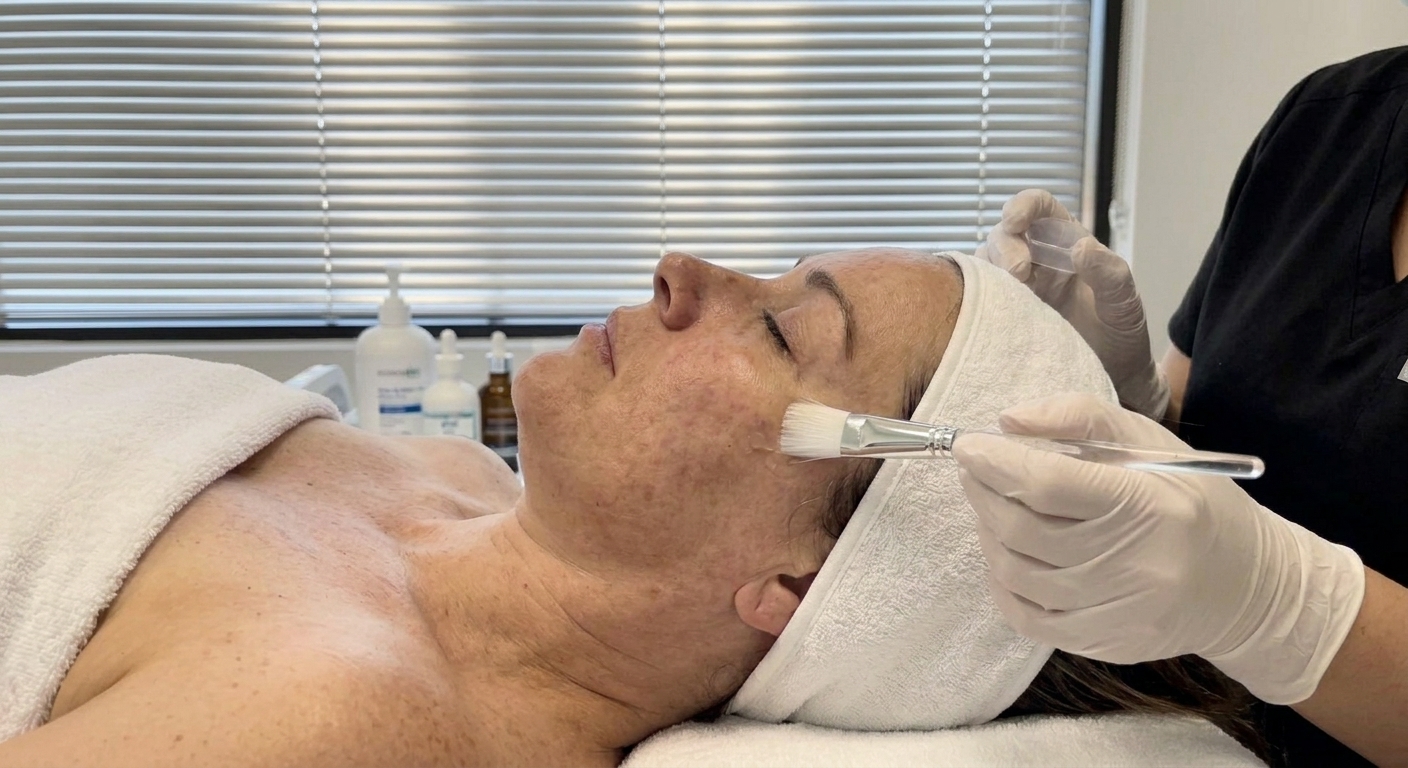
The actual peel takes anywhere from 30 minutes to an hour. The solution goes on, you'll feel some tingling or mild heat, and then it's neutralized or left to self-neutralize. Afterward, your skin will likely be red and sensitive. Peeling usually starts within a few days and can last up to a week. During this time, you'll need to baby your skin — gentle cleansers, heavy moisturizers, and religious sunscreen use, especially when maintaining healthy skin in the Arizona sun. Most people need three to six peels spaced a few weeks apart to see the full effect.
Not Every Skin Type Reacts the Same Way
Chemical peels are generally safe, but darker skin tones face higher risks. If the peel is too strong or applied incorrectly, it can trigger post-inflammatory hyperpigmentation — meaning you end up with more dark spots, not fewer. That's why choosing an experienced provider matters. Look for clinics that specialize in treating diverse skin types and have a track record with hyperpigmentation cases, similar to those offering advanced clinical skincare.
Finding the Right Clinic in Costa Mesa
Not all providers are created equal. You want someone who's done this hundreds of times, not someone who just finished a weekend certification course. Ask to see before-and-after photos. Read reviews. Check credentials. A good provider will walk you through the risks, set realistic expectations, and customize the treatment to your skin's needs.
Don't be swayed by flashy marketing or rock-bottom prices. Quality matters more than convenience. A botched peel can leave you worse off than when you started, and fixing that damage takes time and money.
Common Mistakes People Make with Chemical Peels
- Skipping Sunscreen: UV exposure after a peel can undo all your progress and darken spots even more.
- Picking at Peeling Skin: Let it shed naturally. Forcing it off can cause scarring and uneven pigmentation.
- Expecting Instant Results: One peel won't erase years of sun damage. Patience and consistency are non-negotiable.
- Using Harsh Products Too Soon: Your skin is vulnerable post-peel. Stick to gentle, hydrating products until fully healed.
- Ignoring Aftercare Instructions: Your provider gives you a recovery plan for a reason. Follow it.
When to Consider Alternatives
Chemical peels aren't the only option for dark spots. Laser treatments, microneedling, and prescription topicals like hydroquinone or tretinoin can also deliver results. If your pigmentation is severe or resistant to peels, your provider might recommend a combination approach. The goal is to find what works for your skin, not to force a treatment that isn't delivering.
What to Ask Before You Book
- What type of peel do you recommend for my skin type and pigmentation?
- How many sessions will I need to see results?
- What's the expected downtime and recovery process?
- What are the risks, especially for my skin tone?
- What products should I use before and after the peel?
The Long Game Matters More Than the Quick Fix
Chemical peels can absolutely lighten dark spots. But they're not magic. They're a tool — one that works best when paired with smart skincare habits, sun protection, and realistic expectations. If you're ready to tackle hyperpigmentation, find a provider who knows what they're doing through clinical skincare services. Ask questions. Follow the plan. And don't cut corners on aftercare.
Dark spots didn't show up overnight, and they won't disappear that way either. But with the right approach, chemical peels can give you the clearer, more even skin you've been chasing. Just make sure you're doing it right from the start.
Ready to See Brighter, Clearer Skin?
We know how frustrating stubborn dark spots can be, and we're here to help you achieve the even, radiant complexion you deserve. Let’s work together to create a personalized plan that actually delivers results. Give us a call at 949-330-3440 to talk with our team, or book an appointment and take the first step toward skin you’ll love showing off.
‹ Back
Recent Posts
-
Facial Treatments in Mission Viejo for Hormonal Breakouts
August 7, 2026
-
Collagen Therapy in Lake Forest for Fine Lines & Texture
July 24, 2026
-
Chemical Peels in Mission Viejo for Uneven Skin Tone
July 10, 2026
-
Is Cryoskin in Lake Forest a Good Fit for Loose Skin?
June 26, 2026
-

Connect with us