



How Collagen Therapy Helps Restore Skin Elasticity & Firmness
Most people think aging skin is just about wrinkles. Lines show up, things sag, and that's that. But dermatologists see more than surface damage—they see structural collapse. Your skin isn't just thinning. It's losing the scaffolding that kept it tight, smooth, and resilient. And if you're not addressing collagen loss directly, you're treating symptoms while the foundation crumbles.

So here's the reality. Collagen therapy isn't some luxury spa trend. It's a targeted intervention that rebuilds what time strips away. But not all treatments work the same way, and not every product delivers what it promises. The difference between real results and wasted money comes down to understanding how collagen actually functions—and what it takes to bring it back.
Why Your Skin Loses Its Bounce
Collagen makes up three-quarters of your skin's structure. It's the protein network that keeps everything firm, elastic, and able to snap back after you smile or frown. But starting around your mid-twenties, production drops. One percent per year doesn't sound like much—until you hit forty and realize you've lost nearly twenty percent of what you started with.
That's when elasticity fades. Skin gets thinner. Fine lines deepen into creases. And no amount of moisturizer can fix what's missing underneath. The issue isn't hydration—it's architecture. Without enough collagen, your skin can't hold its shape. Gravity wins, and the signs become impossible to ignore.
What Collagen Therapy Actually Does
Collagen therapy works by either replacing lost collagen or forcing your body to make more of it. Some treatments deliver collagen directly. Others trigger your skin's repair mechanisms, kickstarting production from the inside. The goal is the same: restore the structural integrity that keeps skin firm and elastic.
Here's what happens when collagen levels increase:
- Skin thickens and regains its ability to resist sagging
- Fine lines soften as the underlying support strengthens
- Texture smooths out, reducing roughness and unevenness
- Moisture retention improves, giving skin a plumper appearance
- Long-term aging slows because you're addressing the root cause, not just the symptoms
The Methods That Actually Work
Not all collagen therapies are created equal. Some deliver fast but temporary results. Others take time but build lasting change. The right choice depends on what you're trying to fix and how much downtime you can handle.
Here's the breakdown:
- Microneedling: Tiny needles create controlled injuries that force your skin to produce new collagen as it heals
- Laser resurfacing: Heat penetrates deep layers, stimulating collagen production while tightening existing fibers
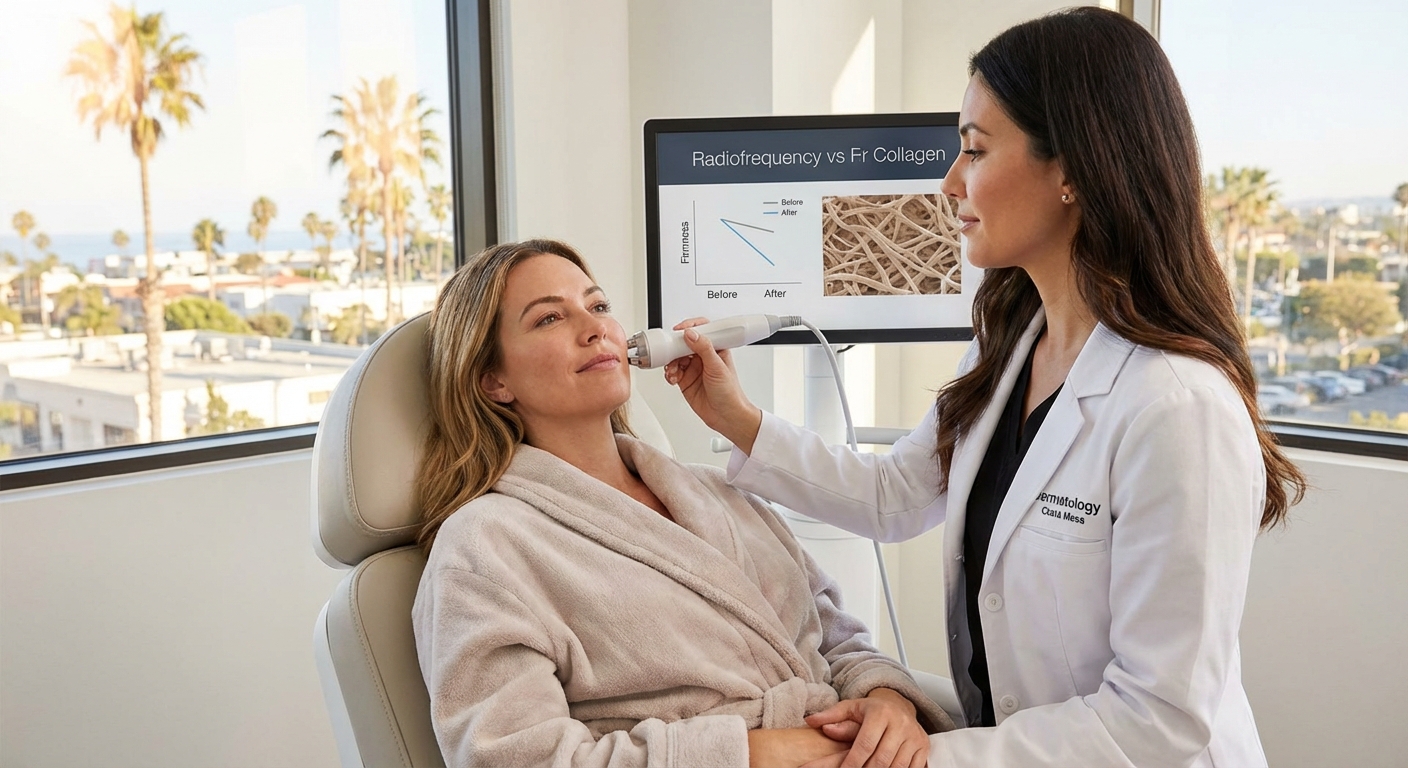
- Radiofrequency therapy: Energy waves heat tissue beneath the surface, triggering collagen remodeling without damaging the top layer
- Injectable fillers: Collagen-based or collagen-stimulating fillers add immediate volume and encourage natural production over time
- Topical retinoids and peptides: These ingredients signal skin cells to ramp up collagen synthesis when used consistently
Supplements and Serums Have Limits
Walk into any drugstore and you'll find shelves packed with collagen creams and drinkable powders. Some of them work. Most of them don't—at least not the way you'd hope. Collagen molecules are too large to penetrate skin when applied topically, so creams rely on other ingredients to stimulate production indirectly.
Oral collagen peptides are different. They're broken down into smaller units that your body can absorb and use. Studies show they can improve skin hydration and elasticity over time. But they're not a quick fix. You'll need consistent use over months to see measurable change. And if you're dealing with significant loss, supplements alone won't be enough.
Professional Treatments Deliver Faster Results
If you want noticeable improvement in weeks instead of months, advanced clinical skincare procedures are the way to go. Dermatologists and licensed aestheticians use devices and techniques that penetrate deeper than anything you can buy over the counter. The tradeoff is cost, downtime, and the need for multiple sessions.
Here's what to expect:
- Microneedling requires three to six sessions spaced a month apart, with redness lasting a few days after each treatment
- Laser therapy can show results after one session, but optimal outcomes usually need two or three rounds
- Radiofrequency treatments are gentler, with minimal downtime, but you'll need several appointments to see full effects
- Injectable fillers work immediately, though collagen-stimulating types take a few months to reach peak results
When Results Show Up
Patience matters here. Collagen doesn't rebuild overnight. Even the fastest treatments take weeks to show visible change because your body needs time to produce new fibers and remodel existing ones. Topical products and supplements work even slower—expect three to six months of consistent use before you see real improvement.
But once collagen levels rise, the benefits compound. Skin doesn't just look better temporarily. It becomes structurally stronger, more resilient, and better equipped to resist future damage. That's the difference between a quick fix and a long-term solution.
Who Should Consider Collagen Therapy
If you're noticing sagging, loss of firmness, or deepening lines, collagen therapy is worth exploring. It's not just for people in their fifties or sixties. Preventive treatments in your thirties can slow the decline before it becomes obvious. And if you've already lost significant elasticity, targeted therapies can reverse some of the damage.
That said, not every method suits every skin type. Darker skin tones need extra caution with lasers to avoid pigmentation issues. Sensitive skin may react poorly to aggressive microneedling. Understanding how to choose the right facial for your skin type helps you avoid wasted time and money on treatments that won't work for you.
Documentation and Consistency Matter
Want to know if your collagen therapy is working? Track it. Take photos in the same lighting every few weeks. Note changes in texture, firmness, and how your skin feels when you touch it. Progress is gradual, and without documentation, it's easy to miss the improvements—or waste months on something that isn't delivering.
Consistency is just as critical. Skipping treatments or stopping supplements too early means you won't see the full benefit. Collagen production doesn't spike after one session and stay elevated forever. You're training your skin to rebuild, and that takes sustained effort.
Where People Waste Money
The biggest mistake? Buying products based on marketing instead of ingredients. If a cream promises instant collagen replacement, it's lying. If a supplement doesn't list peptide size or sourcing, it's probably ineffective. And if a clinic offers collagen therapy without explaining the science behind it, walk out.
Here's what actually matters:
- Topical products should contain retinoids, peptides, or vitamin C—not just collagen itself
- Oral supplements need hydrolyzed collagen peptides, not whole collagen molecules
- Professional treatments should be performed by licensed providers using FDA-cleared devices
- Results should be explained realistically, with timelines that match clinical evidence
- Follow-up care should be part of the plan, not an afterthought
Understanding how clinical skincare differs from over-the-counter products is essential when evaluating your options. Professional-grade formulations contain higher concentrations of active ingredients and are backed by clinical research, while many retail products rely on marketing claims without substantial evidence. Additionally, knowing the top skincare ingredients to look for can help you make informed decisions about which products and treatments will actually deliver results.
Rebuilding What Time Takes Away
Collagen loss isn't optional. It's biology. But letting your skin collapse without a fight? That's a choice. Therapy options exist that actually work—not because they promise miracles, but because they target the structural breakdown that causes aging in the first place. The key is knowing which methods deliver real results and which ones just drain your wallet. Exploring clinical skincare services and learning about the benefits of clinical skincare can provide you with the professional guidance needed to make effective choices. Do your homework, consult professionals who know what they're talking about, and commit to the process. Your skin will show the difference.
Ready to See Real Change?
We all want skin that feels as good as it looks, and the right collagen therapy can make that possible. If you're ready to take the next step toward firmer, more resilient skin, let's talk about a treatment plan tailored just for you. Call us at 949-330-3440 to speak with our team, or book an appointment and start your journey to healthier, younger-looking skin today.
‹ Back
Recent Posts
-
Facial Treatments in Mission Viejo for Hormonal Breakouts
August 7, 2026
-
Collagen Therapy in Lake Forest for Fine Lines & Texture
July 24, 2026
-
Chemical Peels in Mission Viejo for Uneven Skin Tone
July 10, 2026
-
Is Cryoskin in Lake Forest a Good Fit for Loose Skin?
June 26, 2026
-

Connect with us