



Is Collagen Therapy in Costa Mesa a Good Choice for Crepey Skin?
Crepey skin isn't just an aesthetic annoyance. It's a signal that your dermis is losing the battle against time, gravity, and environmental wear. The thinning, wrinkling, and papery texture that shows up on arms, necks, and décolletage isn't something you can scrub away with lotion. It requires intervention that goes deeper than surface-level hydration.
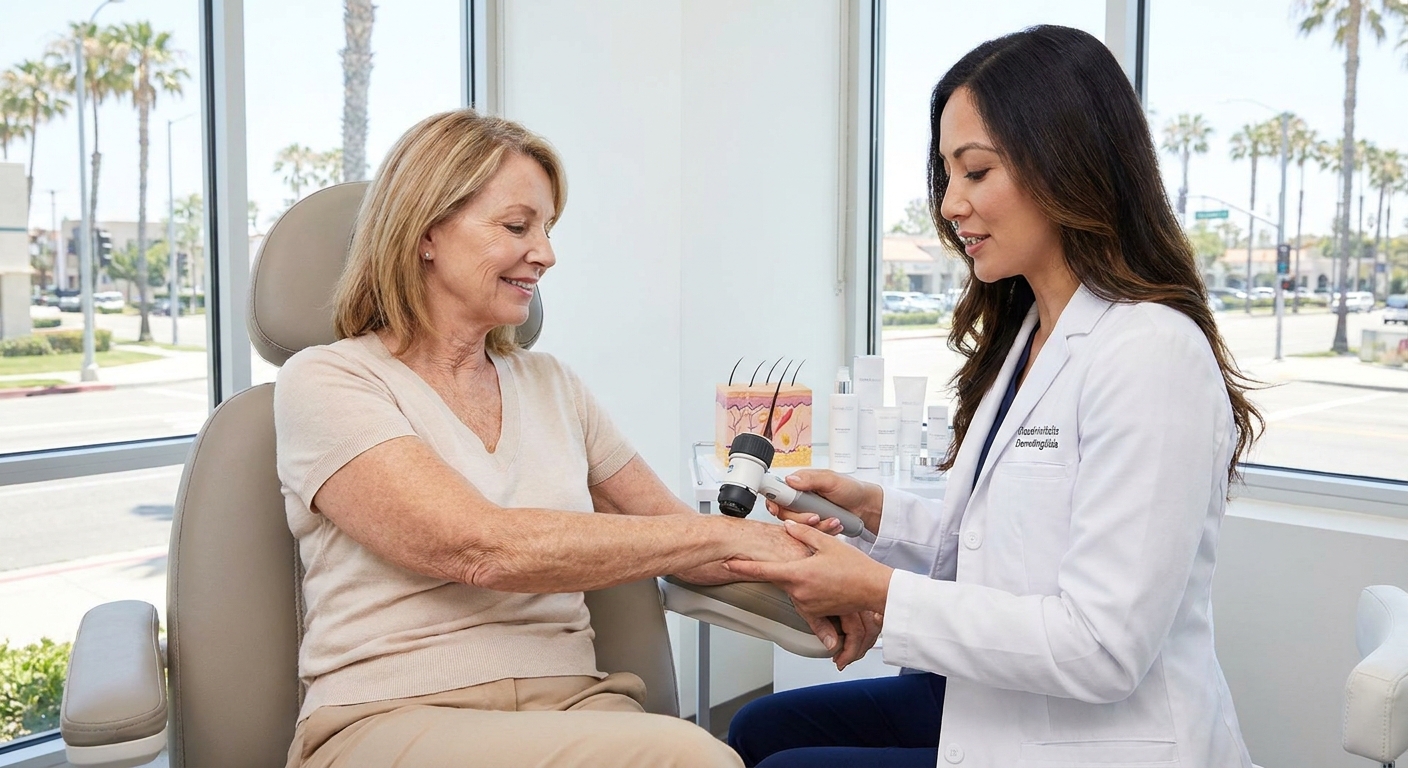
So where does collagen therapy fit in? If you're weighing your options in Costa Mesa, you're not alone. This treatment has become one of the more talked-about solutions for restoring firmness and smoothing out texture. But not every clinic does it the same way, and not every patient walks out with the same results. Understanding what advanced clinical skincare actually does — and what it can't do — matters before you book that appointment.
The Science Behind Why Skin Gets Crepey
Your skin doesn't just wake up one day looking like tissue paper. It's a gradual breakdown of the structural proteins that keep everything tight and resilient. Collagen forms the scaffolding beneath your skin's surface, while elastin gives it bounce. When production slows — which it does naturally after your mid-twenties — the skin loses volume, elasticity, and the ability to snap back.
Sun damage accelerates the process. UV rays break down collagen fibers faster than your body can replace them. Add in dehydration, smoking, poor nutrition, or repetitive movement, and you've got a perfect recipe for premature aging. Crepey skin is essentially your body's way of saying the infrastructure underneath can't keep up anymore.
What Collagen Therapy Actually Does
Collagen therapy isn't about injecting foreign substances and hoping for the best. It's about triggering your own biological repair system. Most treatments — whether microneedling, radiofrequency, or injectable stimulators — work by creating controlled damage to the skin. That damage signals your body to flood the area with healing cells and new collagen fibers.
Over weeks and months, that new collagen rebuilds the dermis from the inside out. The skin thickens. Fine lines soften. Texture evens out. It's not an overnight transformation, but it's also not a temporary fix that fades in a few weeks. When done correctly, clinical skincare gives you results that build over time and can last well beyond a year.
Why Costa Mesa Has the Right Setup
Costa Mesa isn't just convenient if you live in Orange County. The city has become a hub for advanced aesthetic treatments, with med spas and dermatology practices that invest in cutting-edge technology and ongoing training. You're not dealing with outdated equipment or practitioners who learned their techniques from a weekend seminar.
The climate helps too. Mild weather means you're not fighting extreme heat or cold during recovery, which can interfere with healing. And because the area has such a strong wellness culture, you'll find practitioners who understand that skin health is tied to lifestyle — not just what happens in the treatment room.
Types of Collagen Therapy Available
- Microneedling with RF: Tiny needles create micro-channels while radiofrequency energy heats the deeper layers, stimulating collagen production and tightening tissue.
- Injectable Collagen Stimulators: Products like Sculptra or Radiesse are injected beneath the skin to gradually stimulate your body's own collagen over several months.
- Laser Resurfacing: Fractional lasers target the deeper layers of skin, triggering a healing response that results in new collagen formation and smoother texture.
- Platelet-Rich Plasma (PRP): Your own blood is processed and injected back into the skin, delivering growth factors that encourage collagen production and tissue repair.
- Ultrasound Therapy: Focused ultrasound energy penetrates deep into the skin to heat tissue and kickstart collagen remodeling without breaking the surface.
Results Take Time and That's the Point
If you're expecting to walk out of your first session with baby-smooth skin, reset those expectations. Collagen therapy works on your body's timeline, not a marketing calendar. The first few weeks might show minimal visible change. You might even experience redness, mild swelling, or slight peeling depending on the method used.
Real improvement starts around the four-to-six-week mark, as new collagen begins to form. Peak results typically show up three to six months post-treatment. And depending on the severity of your crepey skin, you may need multiple sessions spaced weeks apart. This isn't a drawback — it's how lasting change happens without surgical intervention or foreign implants.
Who Should Consider This Treatment
Collagen therapy works best for people with mild to moderate crepey skin who still have some baseline elasticity left. If your skin is extremely thin or severely sun-damaged, you may need a more aggressive approach or combination therapy. Age matters less than skin condition — we've seen patients in their forties and seventies both get excellent results.
That said, this isn't for everyone. Pregnant or breastfeeding women should hold off. Anyone with active skin infections, open wounds, or certain autoimmune conditions may not be a candidate. If you're prone to keloid scarring or have a history of poor wound healing, your provider will need to assess whether the risk is worth the benefit.
What Happens During a Session
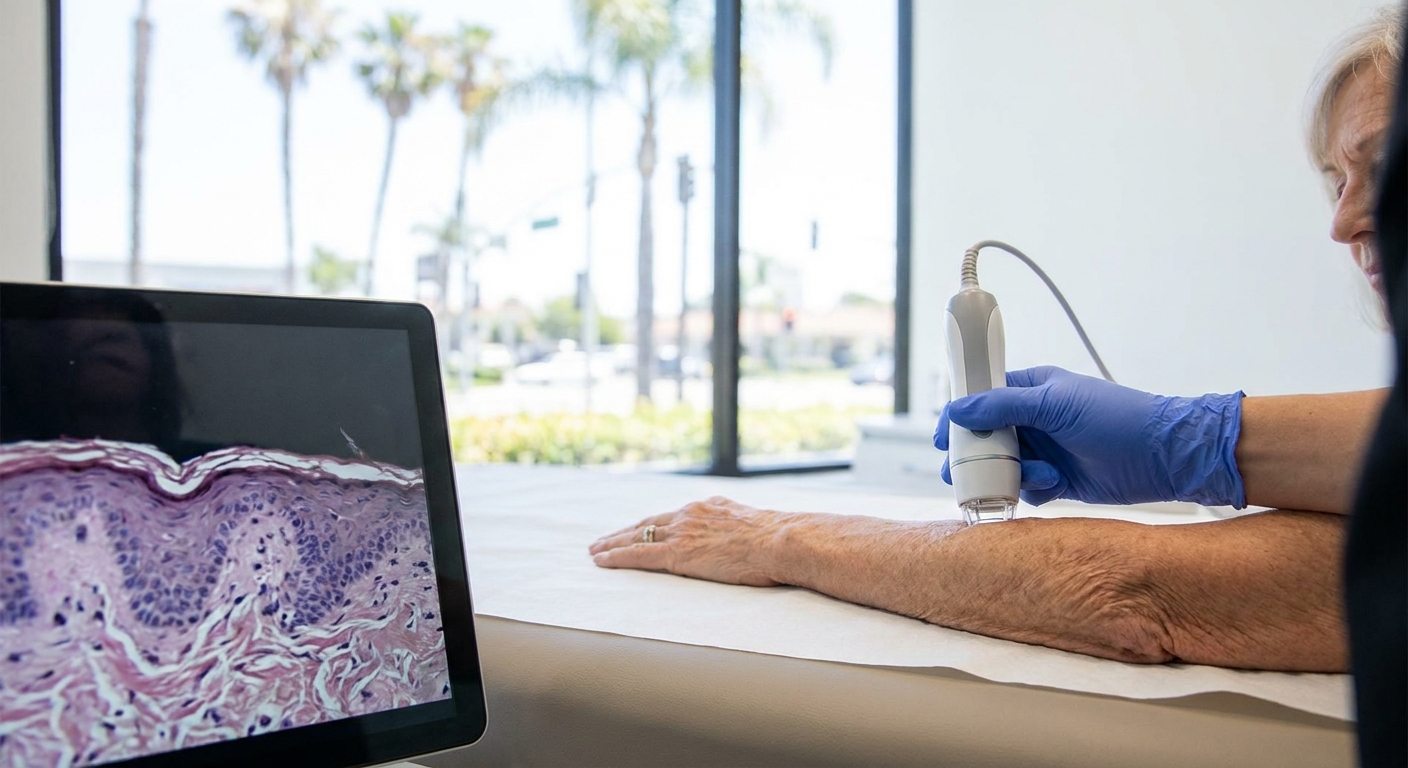
- Consultation and Assessment: Your provider examines your skin, discusses your goals, and determines which collagen therapy method will deliver the best results.
- Numbing and Prep: Depending on the treatment, a topical numbing cream may be applied to minimize discomfort during the procedure.
- The Procedure Itself: Whether it's needles, lasers, or injections, most sessions take between 30 and 60 minutes, with minimal downtime afterward.
- Post-Treatment Care: You'll receive specific aftercare instructions, which typically include avoiding sun exposure, harsh skincare products, and strenuous exercise for a few days.
- Follow-Up Appointments: Your provider will schedule check-ins to monitor progress and determine if additional sessions are needed to achieve optimal results.
Mistakes That Kill Your Results
The treatment itself is only half the equation. What you do afterward determines whether you'll see dramatic improvement or minimal change. Skipping sunscreen is the fastest way to undo everything. UV exposure breaks down collagen faster than your body can rebuild it, which means you're working against yourself every time you step outside unprotected.
Dehydration is another silent saboteur. Your skin needs water to produce healthy collagen and maintain elasticity. If you're not drinking enough or you're relying on caffeine and alcohol to get through the day, your skin won't have the resources it needs to heal properly. And don't overlook nutrition — collagen synthesis depends on vitamin C, amino acids, and other nutrients that come from a balanced diet. To learn more about what makes effective treatments work, explore how clinical skincare differs from over-the-counter products.
When You Should Call In a Professional
Not every provider is created equal. You want someone who's performed hundreds of these treatments, not someone who just added collagen therapy to their menu last month. Ask about their training, their equipment, and what kind of results their patients typically see. Look at before-and-after photos. Read reviews. And if something feels off during the consultation, trust your gut.
A good practitioner will assess your skin honestly and tell you if collagen therapy is the right fit or if you'd be better served by a different approach. They'll also walk you through realistic timelines, potential side effects, and what you can do to maximize your results. If they're rushing you through the consultation or making promises that sound too good to be true, that's your cue to walk out. For those seeking comprehensive care, consider exploring our full range of services.
Cost Versus Value
- Single Session Pricing: Expect to pay anywhere from a few hundred to over a thousand dollars per session, depending on the method and clinic.
- Package Deals: Many providers offer discounted rates if you commit to multiple sessions upfront, which is often necessary for optimal results.
- Longevity of Results: Unlike topical creams that require daily application, collagen therapy results can last a year or more with proper maintenance.
- Hidden Costs: Factor in post-treatment skincare products, follow-up appointments, and any touch-up sessions you may need down the line.
- Insurance Coverage: Most aesthetic treatments aren't covered, so plan to pay out of pocket unless you have a medical reason that qualifies for reimbursement.
Realistic Expectations Matter More Than Hype
Collagen therapy won't turn back the clock completely, and it won't work miracles on severely damaged skin. But for people dealing with early to moderate crepey skin, it's one of the most effective non-surgical options available. The key is going in with your eyes open — knowing what the treatment can and can't do, how long results take to show, and what you'll need to do to maintain them.
Costa Mesa offers the practitioners, technology, and environment to make this treatment work. But the outcome depends as much on your commitment to aftercare and realistic expectations as it does on the skill of your provider. If you're ready to invest the time, money, and effort, collagen therapy can deliver real, visible improvements that make a difference in how your skin looks and feels for months to come. To support your skin health year-round, check out top skincare ingredients to look for in 2024.
Let’s Restore Your Skin’s Confidence
We believe everyone deserves to feel comfortable in their own skin, and collagen therapy can be the turning point for crepey texture that’s been holding you back. If you’re ready to see what personalized care and advanced treatments can do for you, let’s talk about your goals and create a plan that fits your lifestyle. Call us at 949-330-3440 or book an appointment to get started on your journey to smoother, firmer skin.
‹ Back
Recent Posts
-
Is Collagen Therapy in Costa Mesa a Good Choice for Crepey Skin?
November 25, 2026
-
When Should You Schedule a Chemical Peel in Lake Forest?
November 11, 2026
-
Can HydraFacials in Lake Forest Help with Large Pores?
October 28, 2026
-
Facial Treatments in Mission Viejo for Hormonal Breakouts
August 7, 2026
-
Collagen Therapy in Lake Forest for Fine Lines & Texture
July 24, 2026

Connect with us